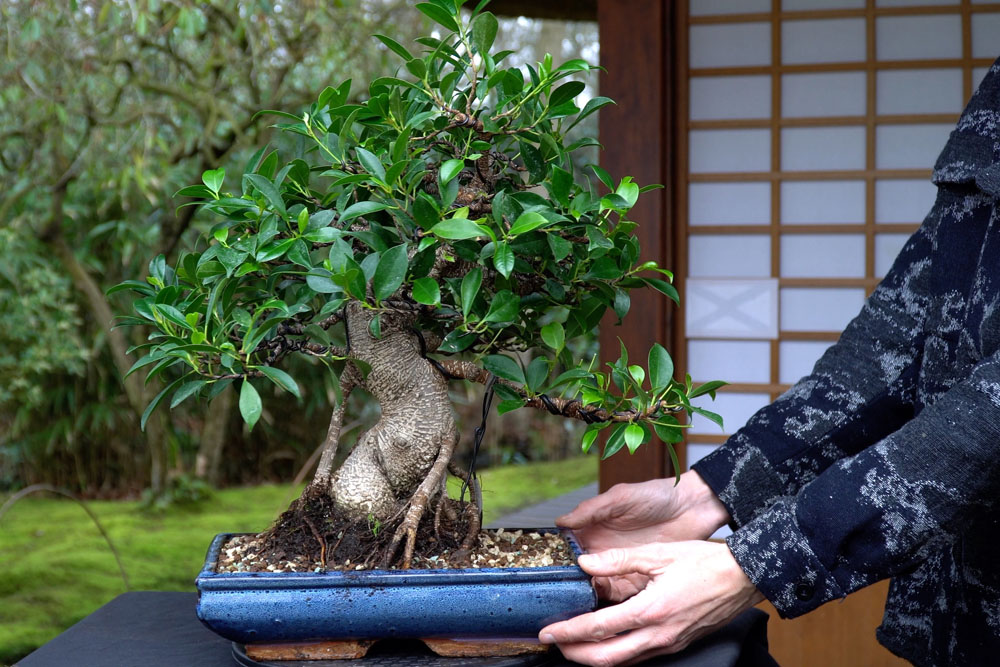
Choosing the right bonsai is often a battle between "What looks cool?" and "What can I actually keep alive?" Most species have distinct personalities—some are as rugged as a desert shrub, while others are as sensitive as a Victorian poet.
Here is a breakdown of the strengths and weaknesses of the most common bonsai species.
1. Juniper (Juniperus)
The "classic" bonsai look. These are hardy conifers that are famous for their ability to handle "deadwood" styling (white, carved sections of the trunk).
-
Strengths: Extremely hardy; can withstand a bit of neglect; very flexible for wiring; looks ancient even at a young age.
-
Weaknesses: Strictly outdoor. If you keep a Juniper inside, it will die (it needs a winter dormancy). Also, they are "slow to show" health issues; by the time the needles turn yellow, the tree might have been dead for weeks.
2. Ficus (Ficus retusa / microcarpa)
The gold standard for beginners and indoor growers. These are tropical figs that can tolerate the low humidity of a modern home.
-
Strengths: Very resilient to low light and irregular watering; develops amazing "aerial roots" that hang from branches; fast-growing and heals wounds quickly.
-
Weaknesses: Not frost-tolerant; will drop leaves if moved suddenly or exposed to cold drafts. The leaves don't naturally "shrink" as much as other species, so they can look a bit chunky.
3. Chinese Elm (Ulmus parvifolia)
The "jack-of-all-trades." It’s a semi-deciduous tree that is incredibly forgiving of mistakes.
-
Strengths: Can grow indoors or outdoors; grows very fast (great for practicing pruning); develops beautiful, flaky bark; small leaves that give a perfect sense of scale.
-
Weaknesses: Prone to pests like spider mites if kept in dry indoor air; requires frequent pruning because it grows so aggressively.
4. Japanese Maple (Acer palmatum)
The "Divas" of the bonsai world. They are prized for their spectacular autumn colors and delicate, star-shaped leaves.
-
Strengths: Unmatched seasonal beauty; graceful branching; thin bark that looks elegant.
-
Weaknesses: Very sensitive to environmental stress. The thin leaves "scorch" (turn brown and crispy) easily in direct sun or wind. They require precise watering—neither bone-dry nor soaking wet.
5. Japanese Black Pine (Pinus thunbergii)
Considered the "King of Bonsai," but definitely not for the faint of heart.
-
Strengths: Can live for centuries; creates the most iconic, rugged bonsai silhouette; very masculine, rough bark.
-
Weaknesses: High difficulty level. They require a specific technique called "candle pruning" to control growth. If you miss the timing by even a week, you can ruin a year's worth of styling.
Quick Comparison Table
Species
Indoor/Outdoor
Ease of Care
Primary Draw
Juniper
Outdoor
Moderate
Rugged, "Old" look
Ficus
Indoor
Easy
Aerial roots, Hardiness
Chinese Elm
Both
Easy
Fast growth, Versatility
Japanese Maple
Outdoor
Hard
Stunning Colors
Black Pine
Outdoor
Advanced
Classic, Powerful image
0 commenti :
Post a Comment