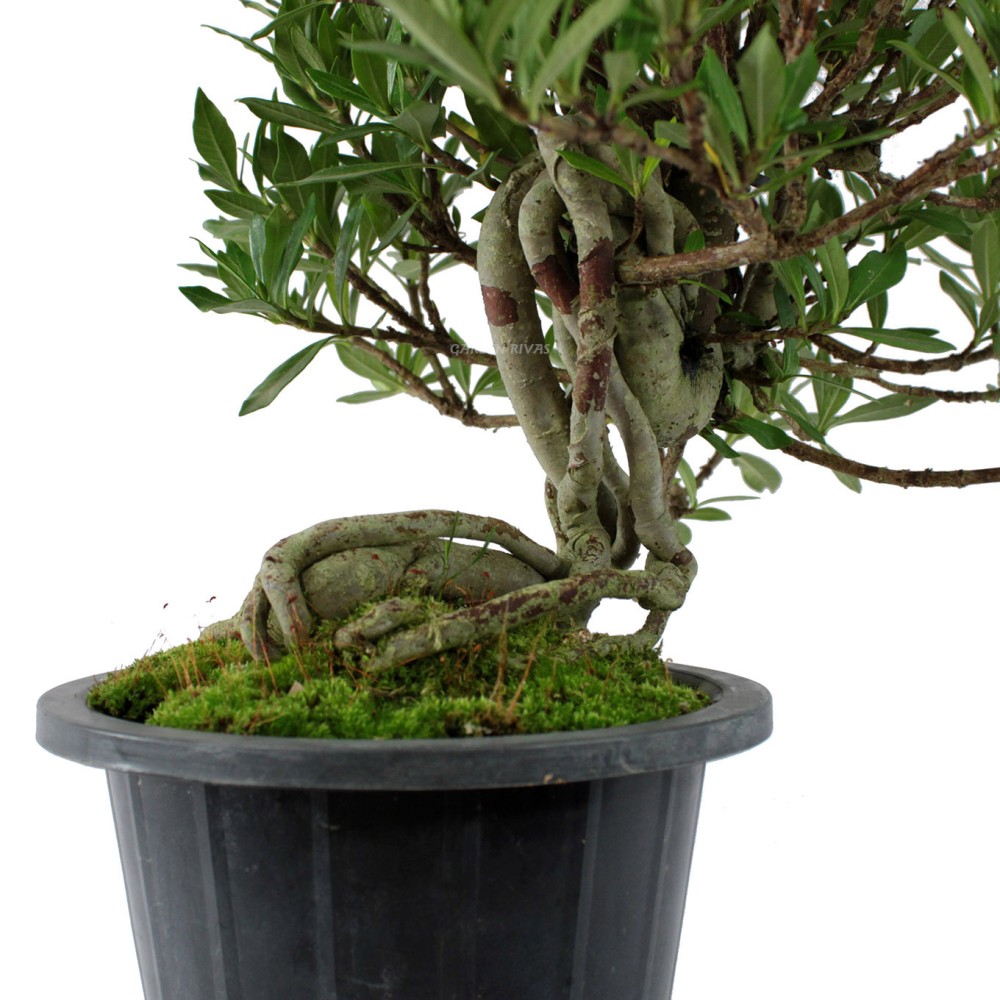
A Gardenia jasminoides bonsai can thrive on a patio for many years if its environment is designed around three key requirements: bright light, consistent moisture, and protection from temperature extremes. The goal is to create a setup that mimics the warm, humid conditions in which gardenias naturally grow while still providing the airflow and seasonal cues needed for a healthy bonsai.
Ideal Patio Setup
Location
Place the bonsai where it receives:
✅ 3 to 5 hours of morning sun
✅ Bright indirect light for the rest of the day
✅ Protection from strong afternoon sun
✅ Good air circulation
✅ Shelter from hot, drying winds
An east-facing patio is usually ideal.
If the patio faces west, install a shade cloth or position the tree where walls, pergolas, or taller plants provide afternoon protection.
Display Bench
Elevate the bonsai on a bench or plant stand.
Benefits include:
- Better air circulation around the pot.
- Reduced risk of fungal diseases.
- Easier inspection for pests.
- Improved drainage after watering.
A bench height of 50 to 100 cm (20 to 40 inches) works well.
Humidity Zone
Gardenias appreciate moderate to high humidity.
Create a microclimate by:
- Grouping moisture-loving plants together.
- Using humidity trays filled with gravel and water.
- Keeping nearby foliage plants around the bonsai.
Avoid placing the pot directly in standing water.
Pot and Soil
Pot
Choose a glazed bonsai container.
Advantages:
- Retains moisture better.
- Reduces root temperature fluctuations.
- Complements flowering bonsai aesthetics.
Soil Mix
A practical mix:
- 50% Akadama
- 25% Pumice
- 25% Kanuma or fine pine bark
Target pH:
- 5.0 to 6.5
Gardenias dislike alkaline soils.
Spring Routine
Position
Move the bonsai into a bright location with increasing morning sun.
Spring is the main growth period.
Tasks
- Resume regular fertilization.
- Increase watering frequency.
- Check for developing flower buds.
- Begin light pruning and shoot pinching.
Fertilizer
Use an acid-loving plant fertilizer every two to three weeks.
Summer Routine
Summer is often the most challenging season for gardenias.
Light
Provide:
✅ Morning sun
✅ Shade from approximately noon onward
Heat Protection
When temperatures exceed 32°C (90°F):
- Move the bonsai deeper into shade.
- Water early in the morning.
- Monitor soil moisture twice daily.
- Increase humidity around the tree.
Avoid
❌ Heavy pruning
❌ Root pruning
❌ Repotting
❌ Major styling work
During heat waves, simply focus on keeping the tree healthy.
Autumn Routine
Autumn is a recovery and preparation period.
Continue
- Regular watering.
- Moderate fertilization.
- Pest inspection.
Reduce
- Fertilizer gradually as temperatures decline.
- Excessive pruning.
Benefits
Cooler weather often produces:
- Stronger roots.
- Denser foliage.
- Better flower bud formation for the following season.
Winter Routine
Gardenias are evergreen but not completely frost hardy.
Temperature Management
Above 5°C (41°F)
The bonsai can usually remain outdoors.
Near Freezing
Provide protection by:
- Moving it against a wall.
- Using fleece covers during cold nights.
- Placing it under a roof overhang.
Hard Frost
Move the tree to:
- An unheated greenhouse.
- A bright enclosed porch.
- A frost-free shelter.
Avoid warm indoor rooms whenever possible.
Winter Watering
Water less frequently but do not allow the root ball to become completely dry.
A common mistake is overwatering cold soil.
Annual Bonsai Calendar
Late Winter / Early Spring
- Inspect roots.
- Repot if necessary.
- Refresh soil.
- Resume feeding.
Mid-Spring
- Active growth.
- Branch development.
- Flower bud formation.
Late Spring / Early Summer
- Peak flowering.
- Moderate pruning after blooms fade.
Summer
- Focus on heat protection.
- Maintain humidity.
- Water carefully.
Autumn
- Strengthen roots.
- Prepare for winter.
Winter
- Protect from frost.
- Reduce feeding.
- Monitor soil moisture.
Warning Signs to Watch For
Too Much Heat
- Brown leaf edges.
- Drooping leaves.
- Bud drop.
- Dry soil within hours of watering.
Too Much Cold
- Blackened foliage.
- Sudden leaf drop.
- Frost-damaged buds.
- Slow recovery in spring.
Too Little Light
- Long weak shoots.
- Pale leaves.
- Few flowers.
Overwatering
- Yellow leaves.
- Soft roots.
- Poor growth.
Example of an Ideal Patio Routine
Morning
- 4 hours of direct sunlight.
- Check soil moisture.
- Water if needed.
Afternoon
- Bright shade.
- Good airflow.
- Protection from hot winds.
Evening
- Inspect foliage.
- Remove spent flowers.
- Check for pests.
Weekly
- Rotate the bonsai slightly for even growth.
- Clean fallen leaves.
- Inspect drainage holes.
Monthly (Growing Season)
- Fertilize.
- Trim excessively vigorous shoots.
- Monitor soil acidity and plant health.
Final Recommendation
For a patio-grown Gardenia jasminoides bonsai, the most practical and successful setup is a raised bench in an east-facing or lightly shaded patio, receiving morning sun, afternoon protection, regular moisture, and increased humidity. Combined with seasonal adjustments for heat and frost, this routine will promote compact growth, healthy evergreen foliage, and abundant fragrant white flowers year after year.
0 commenti :
Post a Comment