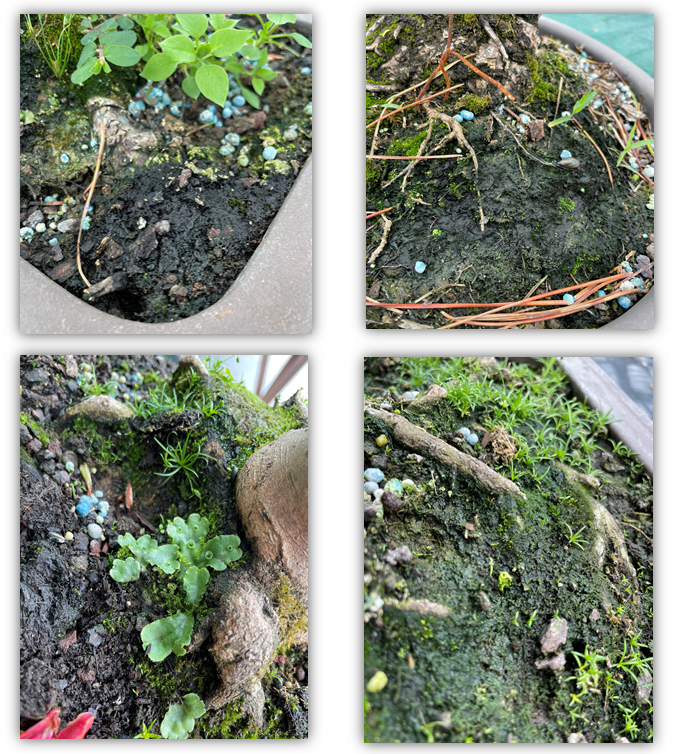
Excess mineral salts in irrigation water can have detrimental effects on indoor plants. One of the most visible problems is the appearance of white or gray spots on the surface of the potting soil. These spots indicate a high salt content in the water, which can damage the soil and negatively affect the plants.
Stains on the surface of the substrate
White or gray spots in the substrate can be a sign of mineral salt buildup. These salts are deposited on the surface of the substrate as irrigation water evaporates. These spots are not only unsightly but can also affect the structure and water-holding capacity of the substrate. This can make it difficult for plant roots to absorb nutrients.
Damage to substrate and plants
Excess mineral salts in irrigation water can damage both the substrate and the plants themselves. The substrate can become compacted and acquire a hard texture due to the accumulation of salts. This can impede water drainage and cause waterlogging of the roots, which in turn can lead to root rot. Furthermore, excess mineral salts can interfere with the absorption of essential nutrients by plants, which can weaken their growth and development.
0 commenti :
Post a Comment