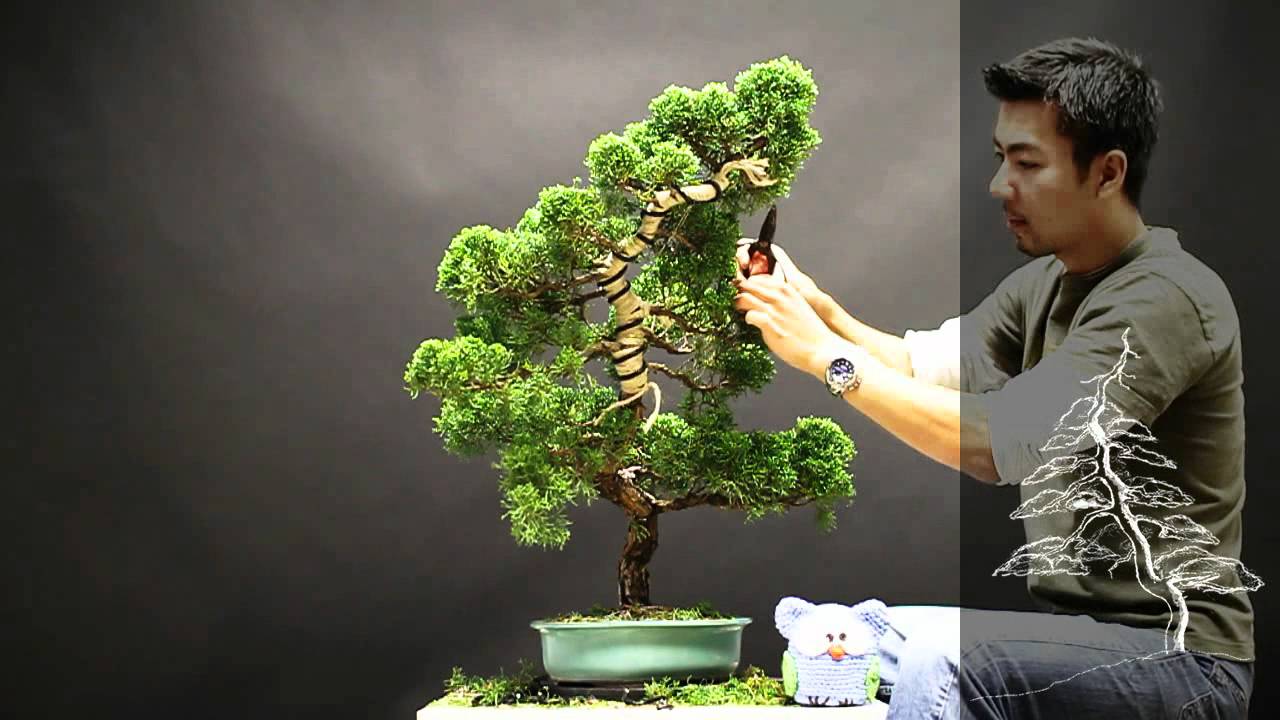
That is a profound truth. In a world increasingly driven by instant gratification, the art of bonsai stands as a quiet, stubborn rebellion. It’s one of the few art forms where the "canvas" is a living being that grows on its own timeline, not yours.
Other virtues often tied to bonsai artistry include:
-
Humility: Accepting that the tree has its own will and limitations.
-
Discipline: Maintaining consistent care over years, sometimes lifetimes.
-
Vision: Seeing beauty in miniature and imagining how a tree will evolve decades ahead.
-
Harmony: Creating balance between natural growth and artistic shaping.
Here is why patience isn't just a virtue in bonsai—it’s the foundation of the craft:
1. Working with Biological Time
Unlike a painter who can finish a stroke in seconds, a bonsai artist must wait months or years for a branch to thicken or for "sacrificial" growth to achieve the desired trunk taper. You aren't just creating a sculpture; you are negotiating with nature.
2. The Danger of Over-Refining
Most beginners kill their first trees because of a lack of patience. They prune too much, wire too tightly, or repot at the wrong time because they want the tree to look "finished" immediately.
-
The Golden Rule: If you’ve just performed a major operation (like a heavy prune), the kindest thing you can do is leave the tree alone for a season to recover.
3. Seeing the Future
Patience allows for vision. An experienced artist looks at a raw, messy sapling and doesn't see what it is today, but what it could be in twenty years. They understand that the beauty of a bonsai isn't just in its current form, but in the story of its survival and refinement over decades.
Key Milestones of Patience
Action
Typical Wait Time
The Reward
Trunk Development
5–10 years
A sense of age and "mochikomi" (character).
Branch Ramification
3–5 years
Fine, delicate twigging that mimics a real forest giant.
Nebari (Root Flare)
Ongoing
A powerful base that makes the tree look grounded.
0 commenti :
Post a Comment