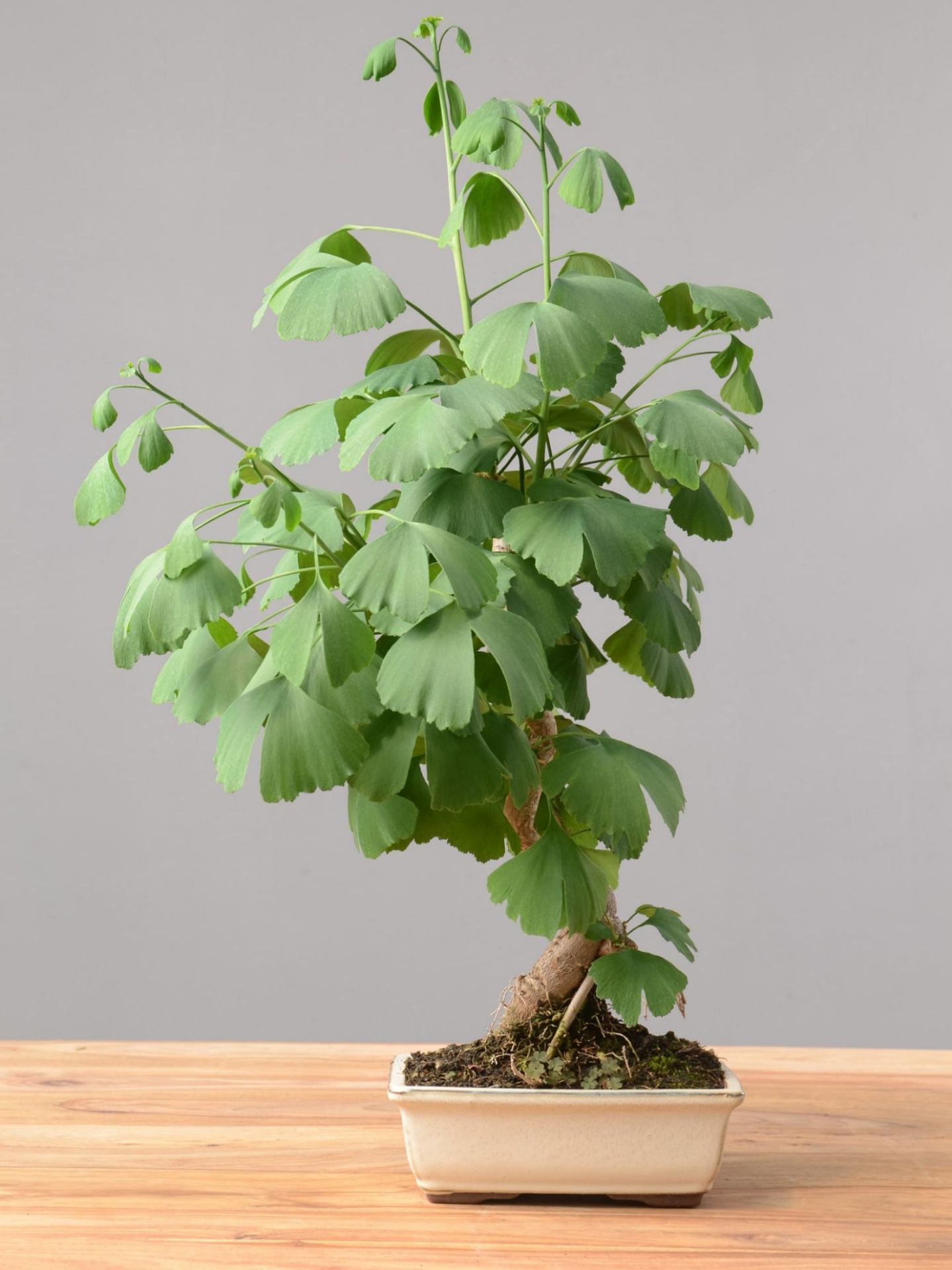
Ginkgo biloba is one of the finest deciduous species for bonsai. Famous for its fan-shaped leaves, ancient lineage, and spectacular golden-yellow autumn color, it is also one of the most adaptable and resilient bonsai trees. Unlike tropical species, a ginkgo requires outdoor conditions and winter dormancy to thrive. Therefore, choosing the right outdoor location is essential for long-term health and refinement.
The Short Answer
For most growers, the best location ranking is:
Garden
Patio
Balcony
However, the ideal choice depends on sunlight, airflow, and protection from extreme weather rather than the location itself.
Why Ginkgo Needs an Outdoor Location
A Ginkgo biloba bonsai requires:
✅ Direct sunlight
✅ Seasonal temperature changes
✅ Good air circulation
✅ Winter dormancy
✅ Natural rainfall and humidity fluctuations
Because of these requirements, it should not be grown indoors except for very short display periods.
1. Garden: The Best Overall Location
A well-positioned garden provides the closest conditions to the tree's natural environment.
Advantages
- Maximum sunlight exposure.
- Excellent airflow.
- Natural seasonal changes.
- Better humidity balance.
- Stronger growth and trunk development.
- Superior autumn coloration.
Garden-grown ginkgo bonsai generally develop:
- Healthier foliage.
- Shorter internodes.
- Stronger branch structure.
- More vigorous roots.
Ideal Garden Position
Place the bonsai:
- On a bonsai bench.
- Raised above ground level.
- In full sun for most of the day.
- Protected from severe winds.
Avoid placing the pot directly on soil for long periods, as this may encourage roots to escape through drainage holes.
2. Patio: An Excellent Alternative
A patio is often nearly as good as a garden.
Advantages
- Easier maintenance.
- Convenient watering.
- Good protection from storms.
- Suitable for bonsai displays.
Ideal Patio Setup
Provide:
✅ At least 6 hours of sunlight
✅ Open airflow
✅ A raised display bench
✅ Protection from reflected heat
Patios often create stable growing conditions and are especially useful for refined bonsai specimens.
3. Balcony: Good if It Receives Enough Sun
A balcony can successfully support a ginkgo bonsai if it receives abundant light.
East-Facing Balcony
⭐⭐⭐⭐
- Excellent morning sunlight.
- Cooler summer temperatures.
- Good spring growth.
North-Facing Balcony (Southern Hemisphere)
⭐⭐⭐⭐⭐
- Ideal light exposure.
- Strong growth.
- Excellent autumn color.
West-Facing Balcony
⭐⭐⭐
- Plenty of sun.
- May become excessively hot in summer.
- Requires additional watering.
South-Facing Balcony (Southern Hemisphere)
⭐⭐
- Usually too shady.
- Reduced vigor.
- Less intense autumn color.
Seasonal Considerations
Spring
The ginkgo enters active growth.
Provide:
- Full sun.
- Regular watering.
- Balanced fertilization.
Strong spring growth determines the quality of the entire growing season.
Summer
Ginkgo tolerates heat relatively well.
During hot weather:
- Water thoroughly.
- Protect the pot from overheating.
- Maintain good airflow.
Mature ginkgo trees can withstand high temperatures, but bonsai roots in shallow containers are more vulnerable.
Autumn
This is when the tree becomes spectacular.
The famous golden-yellow foliage develops best when the tree receives:
- Full sunlight.
- Cool nights.
- Proper seasonal changes.
Insufficient light often results in weaker autumn color.
Winter
Ginkgo requires winter dormancy.
Good News
Ginkgo is extremely cold hardy.
Most specimens tolerate:
✅ Frost
✅ Snow
✅ Prolonged cold
Protection Needed
Only the bonsai pot may require protection in severe freezes.
You can:
- Place the pot against a wall.
- Mulch around the container.
- Move it to a cold but sheltered location during extreme weather.
Ideal Environmental Conditions
Light
- Full sun preferred.
- Minimum 6 hours daily.
Air Circulation
- Good airflow year-round.
Water
- Consistent moisture.
- Excellent drainage.
Temperature
- Extremely tolerant of cold.
- Tolerates summer heat well when watered properly.
Example of the Perfect Ginkgo Bonsai Setup
A highly successful setup would be:
- A raised bonsai bench.
- Located in a garden or open patio.
- Receiving full morning and afternoon sun.
- Protected from severe winds.
- Watered deeply whenever the soil begins to dry.
- Left outdoors year-round to experience natural seasons.
Final Recommendation
For a Ginkgo biloba bonsai, a sunny garden location is generally the best choice, providing the strongest growth, healthiest foliage, and most brilliant autumn color. A patio with full sunlight is nearly as effective and often more practical for bonsai display and maintenance. A balcony can also work very well, provided it receives abundant sunlight and good airflow. Regardless of the location, the most important requirement is that the tree remains outdoors throughout the year so it can experience the seasonal cycle and winter dormancy that are essential to its long-term health and beauty. ✨
0 commenti :
Post a Comment